The Most Common Missed Factors in Treating Thyroid Disease
Part of the Thyroid guide
I have worked with people all across the United States, and there is very little I have not seen when it comes to the pitfalls of thyroid disease and its treatment. The most important thing to understand is that recovering from, and even reversing, thyroid disorders is possible, especially once you understand what is actually causing the problem.
But that is the issue: the root cause is rarely investigated. Far more common is someone with an abnormal TSH or T4 who is simply handed Levothyroxine or Cytomel. Thyroid dysfunction ranges from brain and nervous-system signaling to true gland problems, nutrient deficiencies, and environmental causes, and no single medication corrects all of those. Here are some of the more common factors missed when treating the thyroid.
Not getting the right thyroid tests
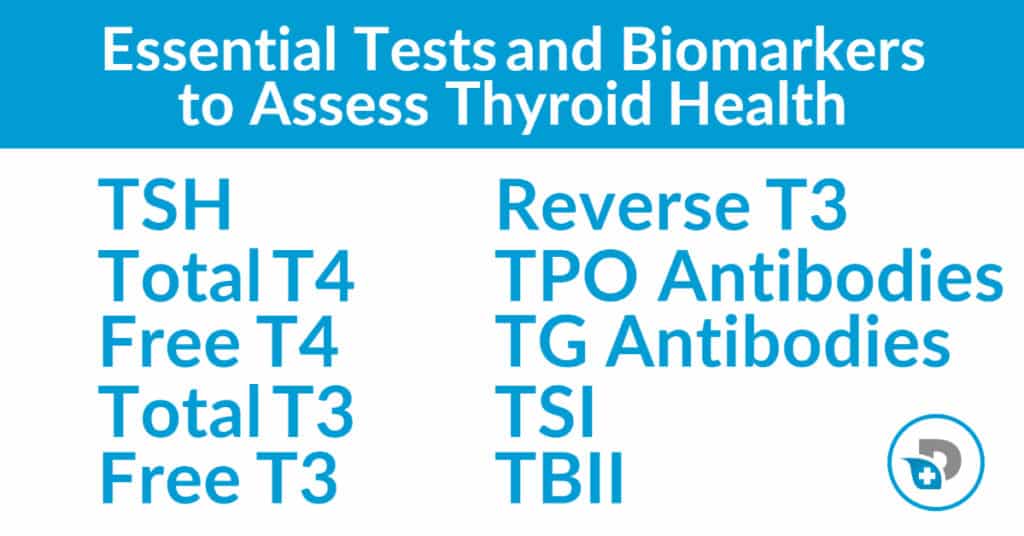
Most conventional workups rely on just two markers, TSH and T4, and that is not enough to know whether the thyroid is truly functioning, much less to justify a drug. TSH is made in the brain and is highly variable; think of it like a thermostat that signals the thyroid to make more or less hormone. T4 is what the gland produces, but T4 is not the hormone that actually revs your metabolism. What matters is whether T4 is converting to the active hormone, T3, or being shunted to Reverse T3 instead. And you can have thyroid antibodies attacking the gland while hormone production looks fine. To assess the thyroid properly you need, at a minimum:
- TSH
- Total and Free T4
- Total and Free T3
- Reverse T3
- Thyroid antibodies (TPO and TgAb)
And those labs must be read against optimal ranges, not the standard reference intervals, which are based on national averages of a largely unhealthy population. Compared to that average, you will simply be told you are normal.
Not finding the right thyroid medication
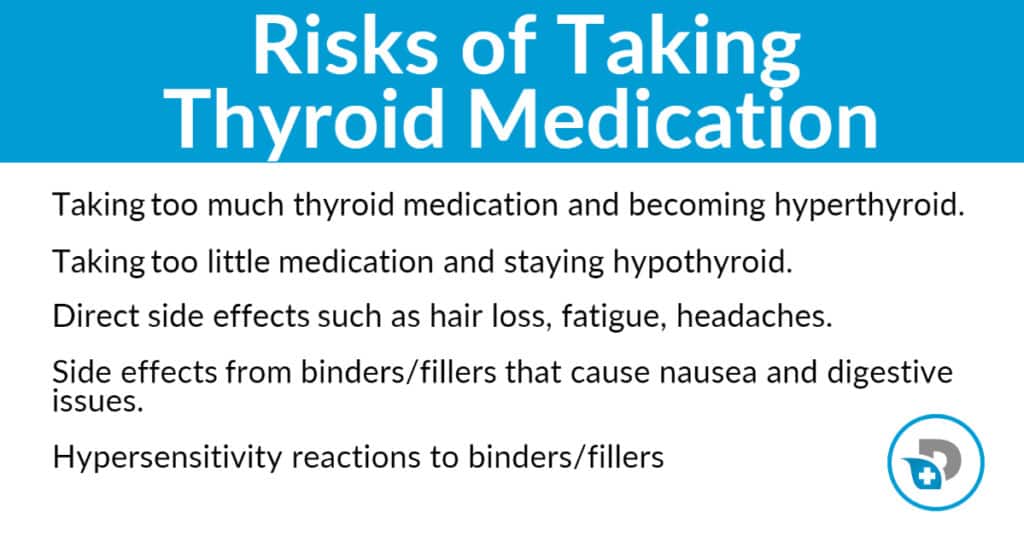
Prescribing a drug should always follow an accurate diagnosis. Choosing the right thyroid medication means answering three questions: what mechanism created the need for medication, is anything interfering with how the medication works, and does the patient react to the fillers used. In other words, is there Hashimoto’s destroying the gland, high estrogen raising binding proteins and lowering free hormone, or systemic inflammation impairing the conversion of T4 to T3?
The default drug, Levothyroxine (Synthroid), is a synthetic form of T4, and T4 is not the active hormone. If your body cannot convert T4 to T3 well, more T4 will not help, and you will keep struggling with fatigue, brain fog, and hair loss even while medicated. The real fix is to find why conversion is failing, often inflammation, nutrient deficiencies, or lifestyle. When needed, combining T4 and T3, or a desiccated thyroid medication like Armour, WP Thyroid, or Nature-Throid, can work better than synthetic T4 alone. We are all different, so the goal is the medication that fits your body, not a cookie-cutter answer.
Not addressing thyroid autoimmunity
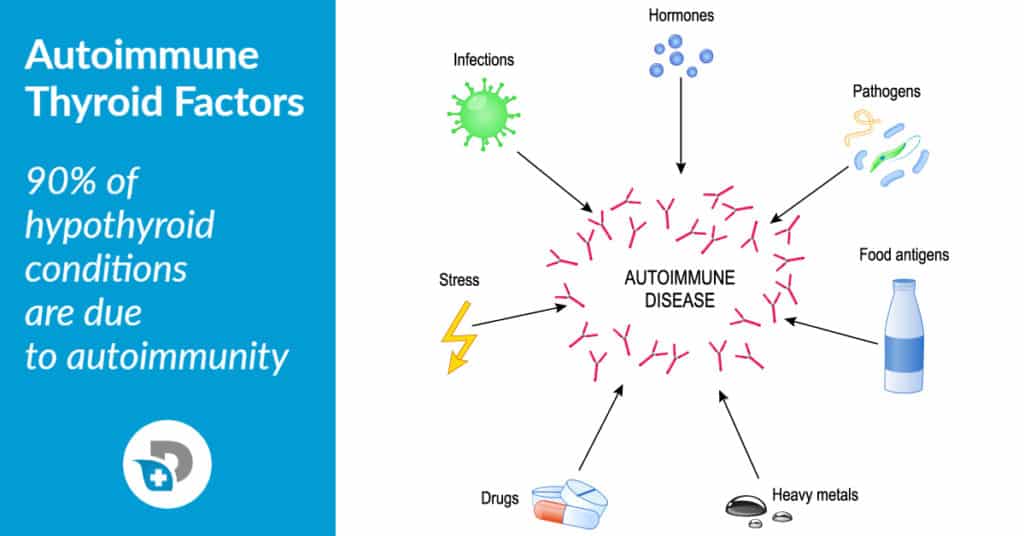
The most common thyroid condition is hypothyroidism, and its two most common causes are nutrient deficiencies and autoimmunity. It is estimated that over 90 percent of hypothyroidism is Hashimoto’s, which means the great majority of thyroid dysfunction is not really a thyroid problem, it is an immune-system problem, where the body attacks the gland. There are many reasons autoimmunity develops, and the most common include:
- Digestive dysfunction
- Infections (bacterial, viral, fungal, and parasitic)
- Environmental toxins (chemicals, heavy metals)
- Brain and communication issues (neurotransmitters, head trauma)
Not addressing the nutrient deficiencies behind thyroid problems
Diet is a foundation for health, but eating well does not guarantee you fully digest and absorb what you eat, and nutrient deficiencies get skipped over constantly. I would argue they sit at the core of most chronic conditions. Like any organ, the thyroid needs adequate levels of key vitamins and minerals to work well, including:
- Selenium
- Zinc
- Magnesium
- Iron
- Iodine
- Omega-3s
- Vitamin A
- Vitamin D
- Vitamin E
So it is critical to measure these levels when thyroid issues are suspected.
Not addressing gut infections
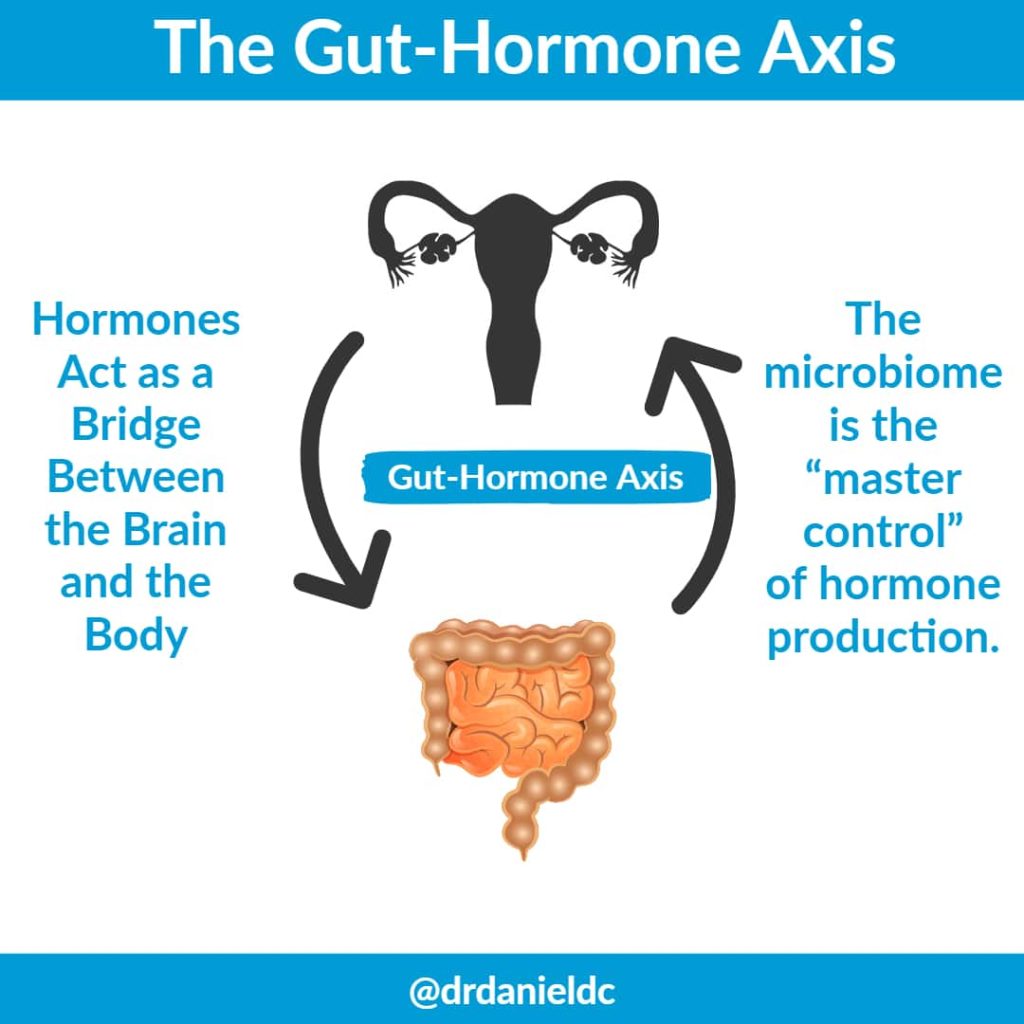
About 80 percent of your immune system lives in the digestive tract, and roughly 20 percent of your thyroid hormone is converted in the gut. The gut is also where you absorb the very nutrients the thyroid depends on. So anything disrupting the gut tends to disrupt the thyroid. Gut infections, parasites, bacterial imbalance, and fungal overgrowth, are common, often without obvious symptoms, and they activate the immune system, block nutrient absorption, and even affect the brain.
Summary
There are many areas to consider when addressing thyroid problems, and simply taking a medication without properly assessing the body is a reliable path to frustration. If you want to take your health to the next level, consider starting with a free consult.
Your life is your medicine.
If something here rang true for you, the next step is a conversation. Start with a free consult, then we can work on your baseline together.

Reviewed by Dr. Daniel Gonzalez, DC.