10 Physiological Reasons You’re Not Losing Fat
Part of the Blood Sugar guide
When it comes to weight and, more importantly, fat loss, most health professionals, trainers, and gurus say the same thing: eat better and exercise more. It is sound advice, but far from complete. Millions of people eat well and exercise regularly and still cannot lose the fat. Why? This article covers the top ten physiological reasons. It is education, not medical advice.
Doing all the right things with no results
This is not for the person who sits all day eating junk. It is for the men and women who follow a good diet, train regularly, and still struggle. Hard work should pay off, and when it does not, the usual answer is “do more.” But that is the wrong answer. The missing link is simple: your physiology, how your body is actually functioning, determines how it responds to diet and exercise.
Diet and exercise matter enormously, and a great physique takes diligence and an enormous amount of consistency. But if you are already doing the work and not getting results, it is usually not your program or your effort, it is your physiology. You cannot fix nutrient absorption if your gut will not absorb, correct a thyroid problem with diet alone, or balance hormones just by changing foods. If the cells that make up your body are dysfunctional, fat loss is an uphill battle. Here are the ten systems that need to be working.
1. The blood sugar and insulin connection
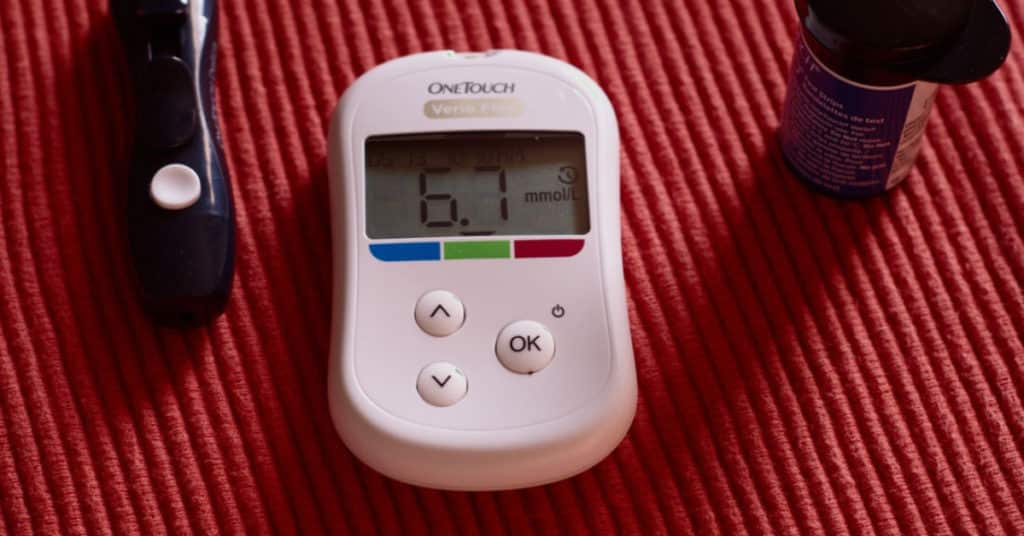
Blood sugar sits at the top of the list for good reason. The CDC estimates more than 100 million U.S. adults live with diabetes or prediabetes, and about 90 percent have no idea their glucose is abnormal. It is not only high blood glucose; reactive hypoglycemia and swings between high and low are damaging too. The real epidemic is people with a blood sugar problem despite a good diet, and it wrecks fat burning.
2. The cortisol connection

Chronic stress is everywhere and getting worse. Chronically elevated cortisol damages adrenal and thyroid function and immunity, and over time affects sex hormones, metabolism, blood sugar, digestion, and brain chemistry, all of which feed back into fat metabolism.
3. The gut connection
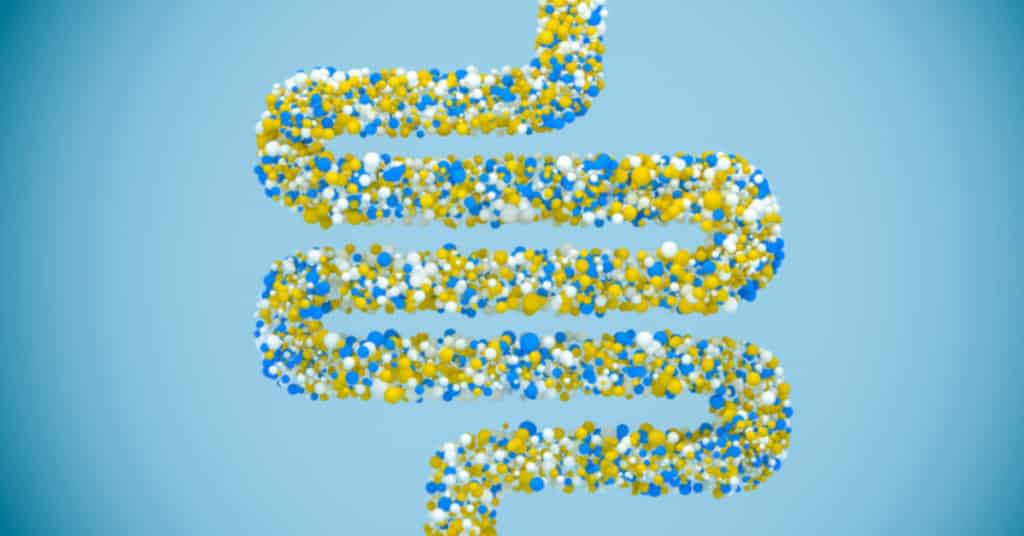
The gut breaks food into absorbable nutrients, processes hormones and toxins, makes neurotransmitters, and houses most of the immune system. When the microbiome is off, absorption suffers, metabolism slows, and food sensitivities and inflammation can develop, all of which hinder fat loss.
4. The thyroid connection

The thyroid sets your metabolic rate. If thyroid function is low, burning fat is hard, but many thyroid problems do not originate in the thyroid itself, and unnecessary treatment can cause long-term harm. Few clinicians know how to properly test and interpret thyroid function.
5. The sex hormone connection
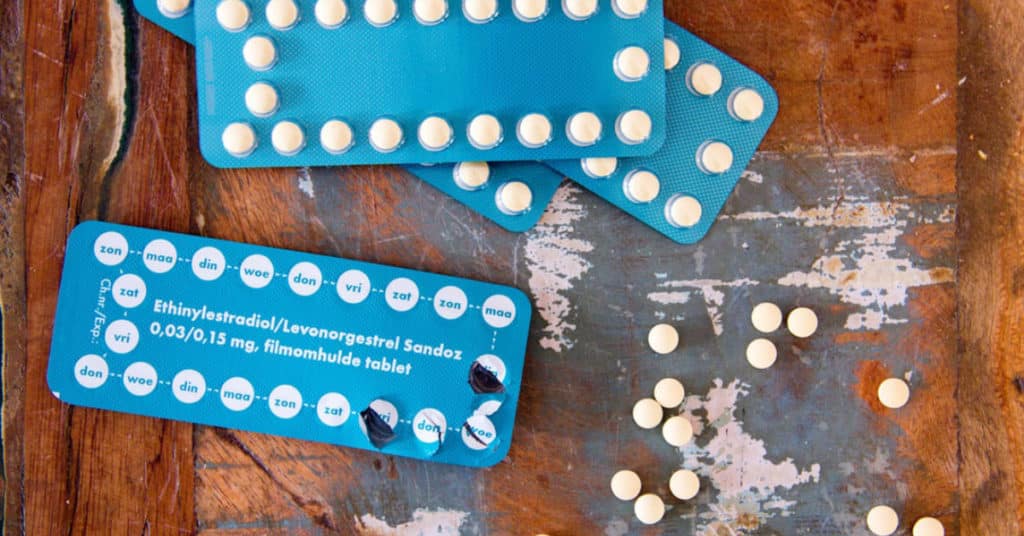
Estrogen and testosterone have powerful, sex-specific effects. When sex hormones are imbalanced, both men and women struggle to lose fat regardless of diet and exercise, and solving it requires more than topping off a low hormone with a pill, patch, or cream.
6. The toxicity connection

The liver is a first line of defense, converting toxic substances into forms the body can remove. Liver function, and therefore fat-burning potential, is strongly affected by environmental toxins and the health of other systems. If the liver is not healthy, neither is the rest of the body.
7. The immune system connection
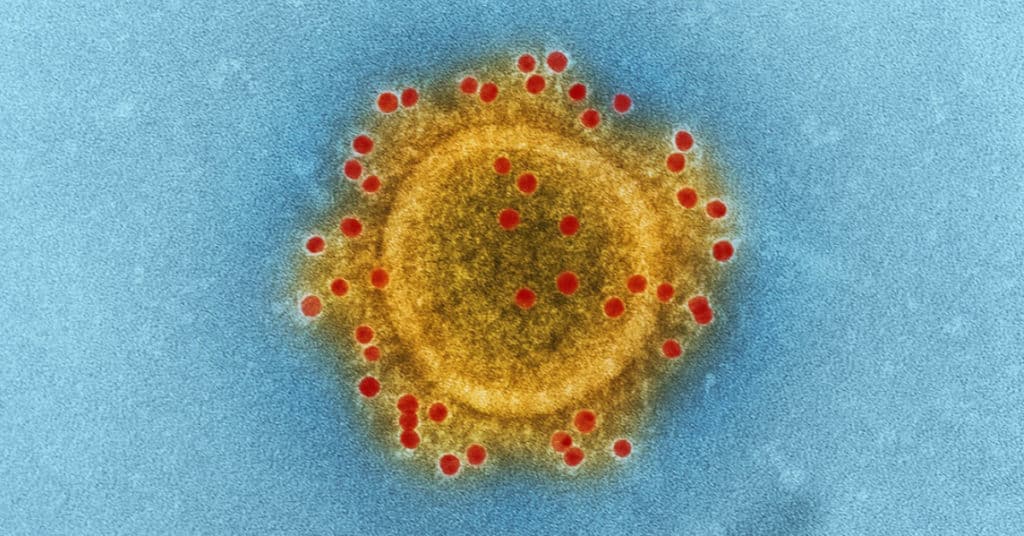
The immune system is connected to every other system. When it becomes imbalanced, it can drive high inflammation or autoimmunity, both of which impair the ability to burn fat.
8. The brain and neurotransmitter connection
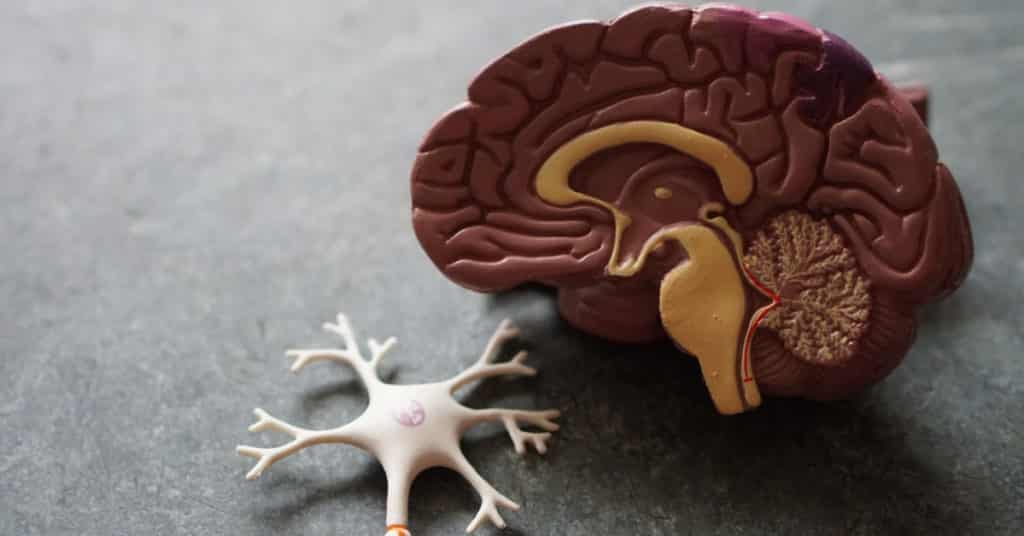
The healthier your brain, the healthier your digestion, stress response, hormone regulation, and response to diet and exercise. The brain has its own neurotransmitters, immune system, and barrier, and imbalances there ripple out to fat metabolism.
9. The cellular connection
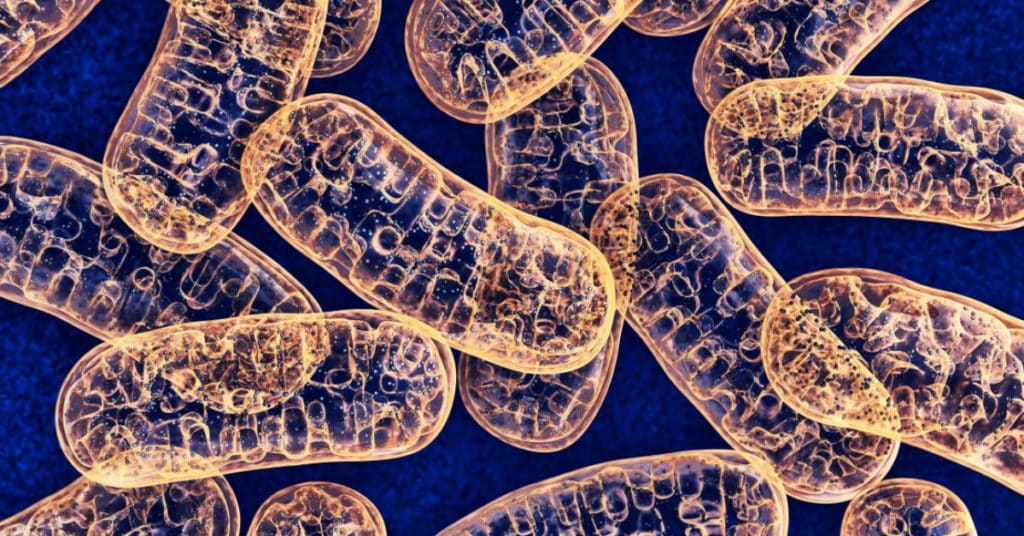
Mitochondria are the energy powerhouses of the cell, converting fuel into ATP. They need fatty acids, glucose, oxygen, amino acids, minerals, and vitamins. With nutrient deficiencies, or nutrients that cannot get into the cell, mitochondrial function falters, and so does fat burning.
10. The mind-body connection
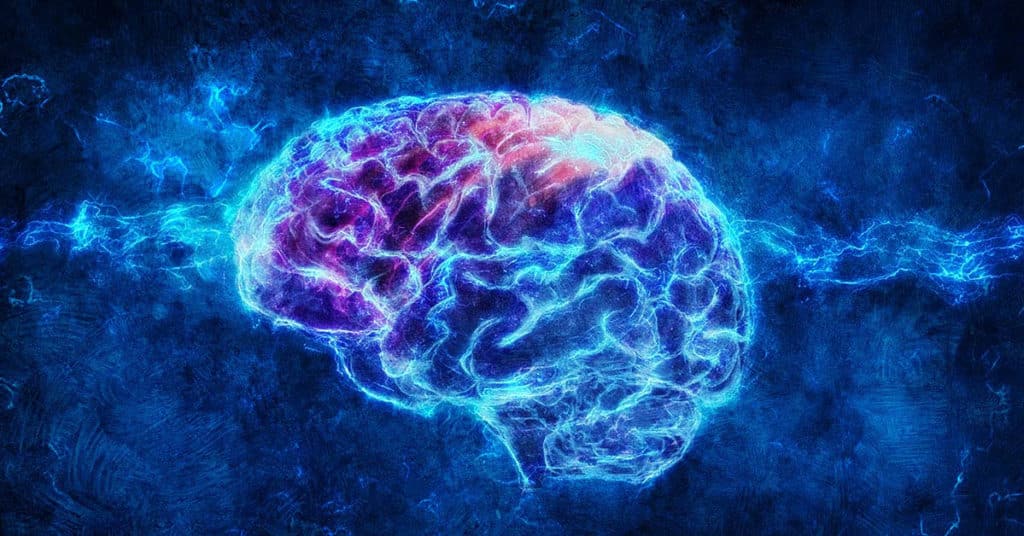
Physiology follows psychology. The body responds to how we think and see ourselves. The more you act as if you have already reached your goals, the more attainable they become. If you want a different body, part of the work is changing your perceptions.
Summary
There is a major misconception that all you need to lose weight is diet and exercise. It works for some, but not for everyone, and when it is not working for you, the reason is often on this list. Your physiology dictates your response to diet and exercise, and if any of these ten systems is not working well, your results will suffer. If you want something different, consider working with a qualified functional medicine practitioner, or book a free 15 minute consult.
Your life is your medicine.
If something here rang true for you, the next step is a conversation. Start with a free consult, then we can work on your baseline together.

Reviewed by Dr. Daniel Gonzalez, DC.