How a Broken Brain is Connected to Liver Dysfunction
Part of the Brain Health guide
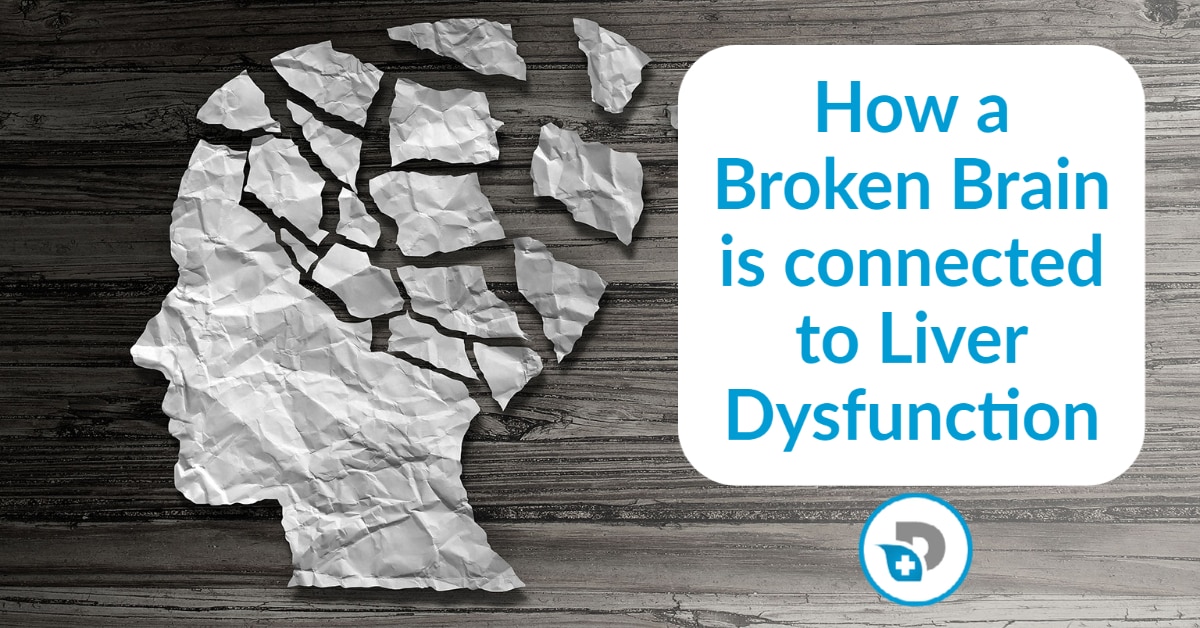
Did you know your liver can play a major role in neuroinflammation? [1] Over the last decade it has become clear that inflammatory diseases centered in peripheral organs, including chronic liver disease, are associated with changes in the brain and in behavior, showing up as fatigue, cognitive decline, mood disorders like anxiety and depression, and disturbed sleep. That is exactly why tending to liver function and detoxification is a vital part of a functional medicine approach to chronic conditions. This is education, not medical advice.
Liver function and brain health
At the heart of the liver-brain connection is systemic inflammation, when the body produces pro-inflammatory chemicals that reach and affect other tissues. Its causes include toxic load from environmental chemicals, pathogenic load from bacterial, viral, fungal, and parasitic infections, dietary proteins from food sensitivities, and emotional or physical trauma.
One primary link between the liver and the brain is lipopolysaccharide (LPS), produced mostly by unfavorable gut bacteria and, to a lesser extent, from foods and chemicals we take in. LPS drives three signaling molecules central to the liver-brain axis: TNF-alpha, IL-1beta, and IL-6. Strikingly, injecting these into otherwise healthy people produces sickness behavior and cognitive changes, [2] and administering compounds that block them improves those behaviors. [3] So when liver function is diminished or detox pathways are impaired, brain dysfunction is likely to follow.
The liver’s detoxification pathways
Detoxification is the process of making fat-soluble compounds water-soluble so they can be eliminated in urine, stool, or sweat. The liver processes hormones, over-the-counter and prescription drugs, and foreign chemicals through three phases.
Phase I, biotransformation. A fat-soluble compound is first repackaged to prepare it for elimination. This step actually generates free radicals and oxidation, which are harmful if Phase II is blocked.
Phase II, conjugation. Several processes, methylation, glucuronidation, sulfation, acetylation, and glutathione conjugation, further modify the compound until it is stable and heavy enough to be eliminated safely.
Phase III, elimination and transport. Complex transport mechanisms carry the toxins out of the body. All of this depends on the right genes working well and the right nutrients being in the right place. Many people are genetically weaker in methylation or glutathione pathways, and the type of sensitivities someone has can hint at which pathway is weak: chemical or smell sensitivity can point to acetylation, migraines to sulfation, and high mercury or mold toxicity to glutathione.
Signs of poor detoxification
When Phase I outpaces a hindered Phase II, an already-inflammatory compound can be made more inflammatory and sent back into circulation, compounds that normally would not react with the immune system can become immune-reactive (raising the risk of inflammation and autoimmunity), or toxins can accumulate when the skin, gut, and kidneys are not clearing them well. The signs are varied and may include:
- GI symptoms: constipation, nausea, bloating, gas
- Intolerance to fat, alcohol, or caffeine
- Fatigue and lethargy
- Headaches or migraines
- Allergies and chemical sensitivities
- PMS and other hormonal imbalances
- Blood sugar swings
- Bad breath and body odor
- Cloudy urine, fluid retention, sinus congestion
- Skin disorders and a coated or swollen tongue
Strategies to support liver detoxification
The first step is to reduce your toxic load, identifying and correcting sources like infections, SIBO, intestinal permeability, mineral imbalances, heavy metals, and environmental chemicals. The second is to support the liver itself, with healthy fats, better fat absorption and gallbladder function, and restored glutathione. Because the gut is a major source of toxic exposure, leaky gut and dysbiosis should be investigated too.
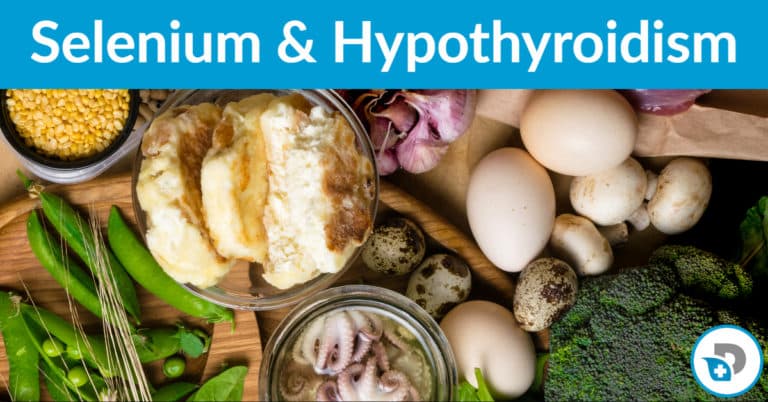
Diet. A moderate detox program built on clean, low-allergenic whole foods, with healthy fats and protein, activates Phase I and II better than juice or water fasting, which lack the substrates the liver needs. During a protocol, reduce hydrogenated and trans fats, refined carbohydrates and sugar, common allergens like wheat and dairy, alcohol and caffeine, fried and processed foods, and non-organic animal fats. Increase organic whole foods, colorful vegetables and fresh juices, quality protein, soluble fiber (oat bran, pectin, psyllium, flax, chia), bitter foods, sulfur-containing foods (eggs, garlic, onions), cruciferous vegetables, turmeric, green tea, and filtered water.
Nutrients. Antioxidants (vitamins C and E, beta-carotene, zinc, selenium, N-acetyl cysteine, CoQ10, curcumin) protect the liver; lipotropic factors like choline, methionine, and carnitine support fat and bile flow; and methylation factors (B6, folate, B12) help convert methionine to glutathione.
Botanicals. Milk thistle, turmeric, schisandra, globe artichoke, rosemary, and dandelion are traditional liver antioxidants, protectives, and gallbladder supports.
Lifestyle. Move 30 to 45 minutes a day to enhance blood and lymph flow, minimize alcohol, tobacco, and non-essential medications, swap toxic cleaning and personal-care products for natural ones, reduce stress, and use dry skin brushing, lymphatic massage, and saunas to support elimination through the skin.
A functional medicine approach
Detoxification happens every day, and when it is impaired, underlying systems like the gut microbiome and methylation pathways need investigating and balancing. SIBO, bacterial overgrowth, high beta-glucuronidase, and a permeable gut wall are common findings in people who cannot detoxify well, producing systemic-inflammation symptoms like aches, fatigue, brain fog, and poor skin. Methylation blocks, high homocysteine, and low methylfolate, methyl-B12, methionine, zinc, and B6 can all impair detox through the methionine and CBS pathways. Functional lab testing can help identify why someone is not detoxifying properly, so the body can be supported to do it more efficiently.
Your life is your medicine.
If something here rang true for you, the next step is a conversation. Start with a free consult, then we can work on your baseline together.

Reviewed by Dr. Daniel Gonzalez, DC.